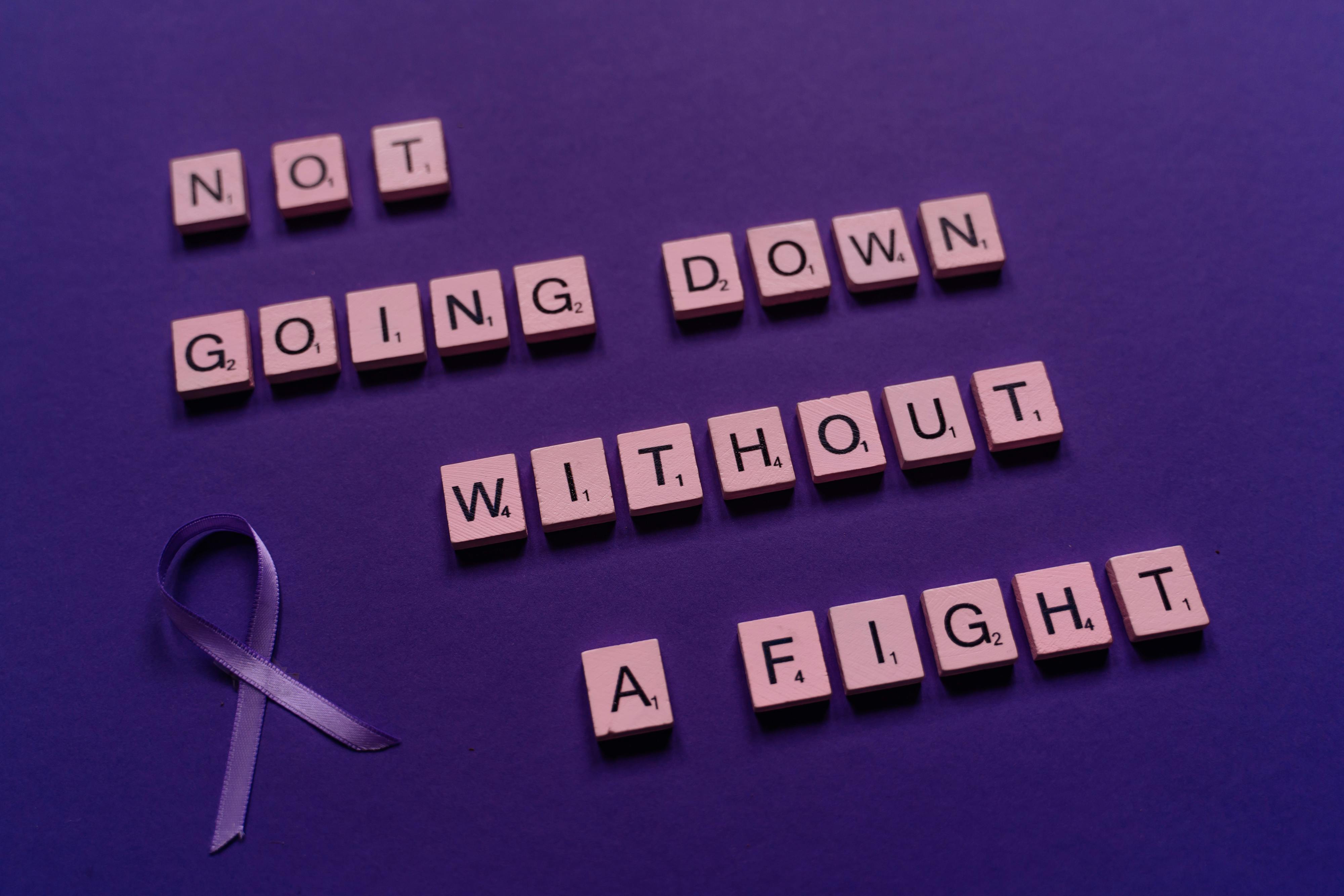
Statistics tell part of the story. Numbers show scale, one million Kenyans, 25 neurologists, years without diagnosis. But they do not show what it feels like to hide your condition from your employer, or to watch your child be turned away from school, or to finally, after years of silence, say the word out loud.
That is what these stories are for.
What we hear most
At Kiserem, we have sat with people who were told for years that they were cursed. Who lost jobs after a single witnessed seizure. Who stopped going to church, to weddings, to any gathering where a seizure might be seen.
We have also sat with people who found their way to the other side of that. Who started medication and experienced their first seizure-free months. Who told their story in a community meeting and watched the room shift. Who now help others the way they once needed help themselves.
Both things are true, and both matter.
The weight of unpredictability
One of the things people describe most is not the seizures themselves, it is the not knowing. Epilepsy does not announce itself. It arrives without warning, at work, in public, during a moment of ordinary life. Managing that unpredictability, planning around it, and still choosing to live fully despite it takes a particular kind of courage.
It also takes community. The people in our programmes consistently say the same thing: knowing they are not alone changes something fundamental.
Strength that comes after silence
Many of the people who are now the most vocal advocates at Kiserem spent years in silence first. They know what the silence costs. They speak now because they do not want others to carry it as long as they did.
Their message is consistent: epilepsy does not define a person. But the way a community responds to it, with fear, or with understanding, shapes everything about how that person is able to live.
Do you have a story you would like to share? We would love to hear from you. Get in touch with our team, your voice could be the one that changes someone else's life.