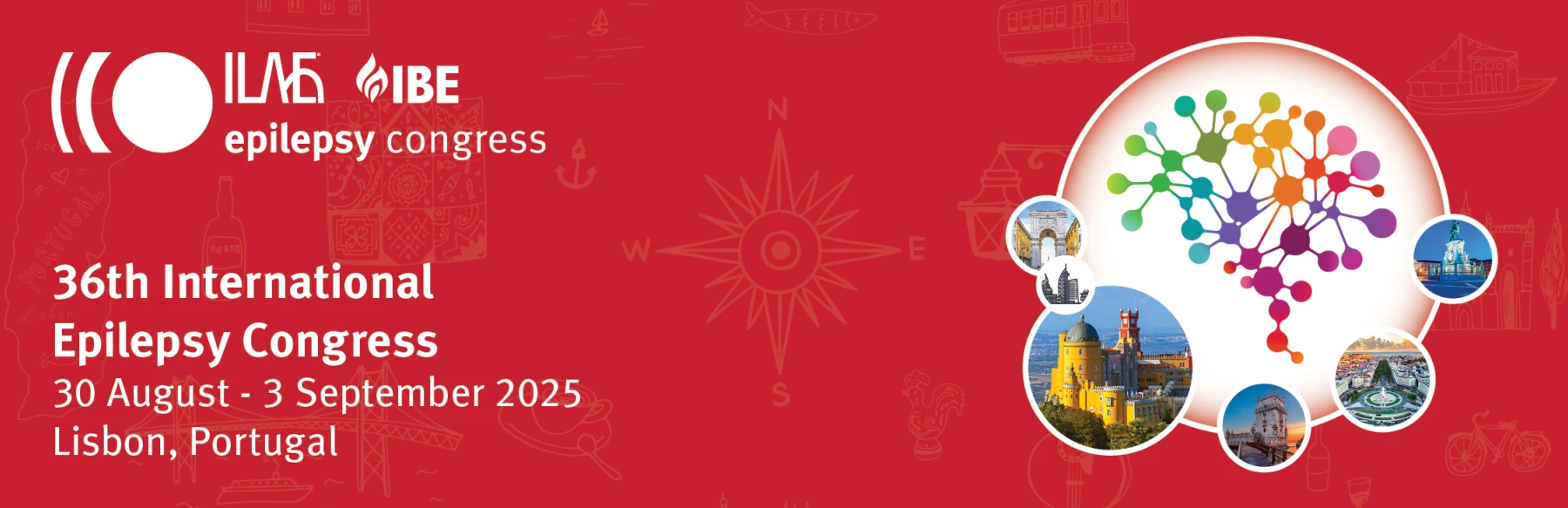
Last year, I attended a global meeting in Portugal focused on improving care for people living with epilepsy and other neurological conditions. The discussions were centred around the World Health Organization’s Intersectoral Global Action Plan on Epilepsy and Other Neurological Disorders, which is the main international framework guiding how countries are expected to improve epilepsy care over the next decade.
The plan sets out clear priorities, including increasing access to diagnosis and treatment, reducing stigma and discrimination, strengthening health systems, and improving data and research. These are the right priorities. The question is how they translate into real-world change.
What was discussed
A consistent theme throughout the meeting was the gap between policy and reality. In many low- and middle-income countries, including Kenya, the challenges are well known: limited access to anti-seizure medication, a shortage of trained specialists, low awareness of epilepsy in communities, and ongoing stigma.
There was also recognition that epilepsy cannot be addressed through hospitals alone. Effective care requires primary healthcare systems that can diagnose and manage epilepsy, community-level education, and coordination between health, education, and social services. This is what IGAP means by an “intersectoral” approach.
Medication Access Remains Central
One of the most important points discussed was access to treatment. A large proportion of people with epilepsy could live seizure-free with consistent medication, yet in many settings access remains unreliable.
This is not only about whether medication exists in the country. It also includes supply chains, affordability, and consistent prescribing practices. Improving access to medication is one of the most immediate ways to reduce the burden of epilepsy.
Stigma is not a Secondary Issue
Stigma was not treated as a side topic. It is a central barrier to care. In practice, this affects whether people seek treatment, whether children attend school, and whether adults are able to work.
Reducing stigma requires more than awareness campaigns. It requires consistent, community-based engagement and access to accurate information.
What this Means in Kenya
Global frameworks like IGAP are important, but they do not implement themselves. In Kenya, many of the issues discussed at the meeting remain, including inconsistent access to medication, limited access to specialists, and persistent misconceptions about epilepsy.
Progress depends on how these global priorities are applied locally. This includes strengthening primary healthcare capacity, supporting community education, and ensuring reliable access to medication.
The Role of Local Organisations
Organisations working at community level have a practical role in this process. At Kiserem Epilepsy Foundation, this includes providing information and education, supporting individuals and families, and connecting people to care where possible.
These are small steps, but they are necessary.
Moving Forward
IGAP provides a clear direction, but it does not remove the need for local action. The key question is not whether the plan is strong, but whether it leads to measurable change in people’s lives.
For individuals living with epilepsy, the outcomes that matter are simple: access to medication, consistent care, and reduced stigma. These are the standards against which progress should be measured.
This post is for informational purposes. It does not replace medical or policy advice. For support or further information, you can contact Kiserem Epilepsy Foundation.